Author:
LA Lions
Date:
Apr 1, 2026
From Division I to Do-It-Yourself — LMU Rowing After the Cuts

On January 23, 2024, Loyola Marymount University announced it would eliminate six varsity sports after the 2023–24 season. Men's and women's rowing. Men's cross country. Men's and women's track and field. Women's swimming. The administration cited the "quickly evolving NCAA landscape" and the need to "ensure continued equal opportunities and access." One hundred and eighteen student-athletes, five full-time coaches, and two part-time coaches learned their programs were finished.
For the rowers, the math was especially cruel. They had chosen LMU — a small, expensive private school in Westchester — in significant part because it had a rowing program. Now it didn't.
The Invisible Infrastructure
What most people don't appreciate about a varsity sport is how much invisible infrastructure it provides. Coaches recruit you, schedule your training, file your race entries, arrange your travel. Athletic trainers tape your hands and monitor your back. Academic support staff help you navigate a course load built around 5 AM practices. You don't think about any of this, the same way you don't think about plumbing until it stops working.
Quinn Heydenfeldt, a marketing major and former varsity rower, described the aftermath to The Los Angeles Loyolan: "My biggest challenge personally was my lifestyle." The structure that organized her days — the training blocks, the team meals, the accountability of knowing someone is counting on you to show up — vanished overnight. "I still miss rowing and the camaraderie," she said, "and it still angers me that it was taken away."
Rebuilding Without a Blueprint
But here's the part of the story that doesn't make the press release. Rowers, it turns out, are not great at quitting.
Students rebuilt the program as a club sport under Campus Recreation. They ran their own recruiting. They managed their own social media. They organized carpools to the boathouse — a logistical headache that varsity athletes never had to think about. Mary Johnstone, an economics major who joined as a novice, said she was drawn to "the closeness of a small team" and appreciated that "coaches and teammates are very understanding that we are students first."
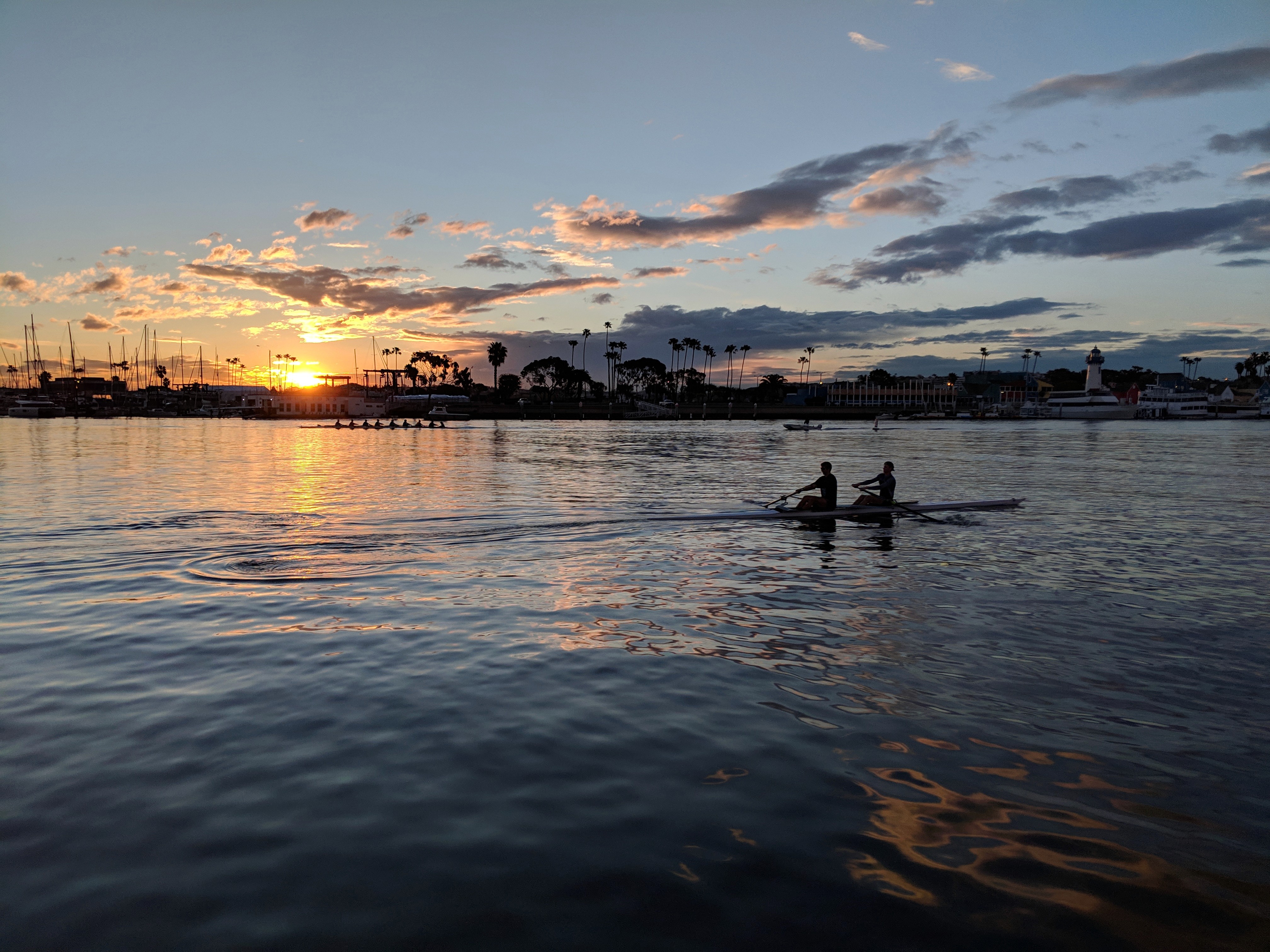
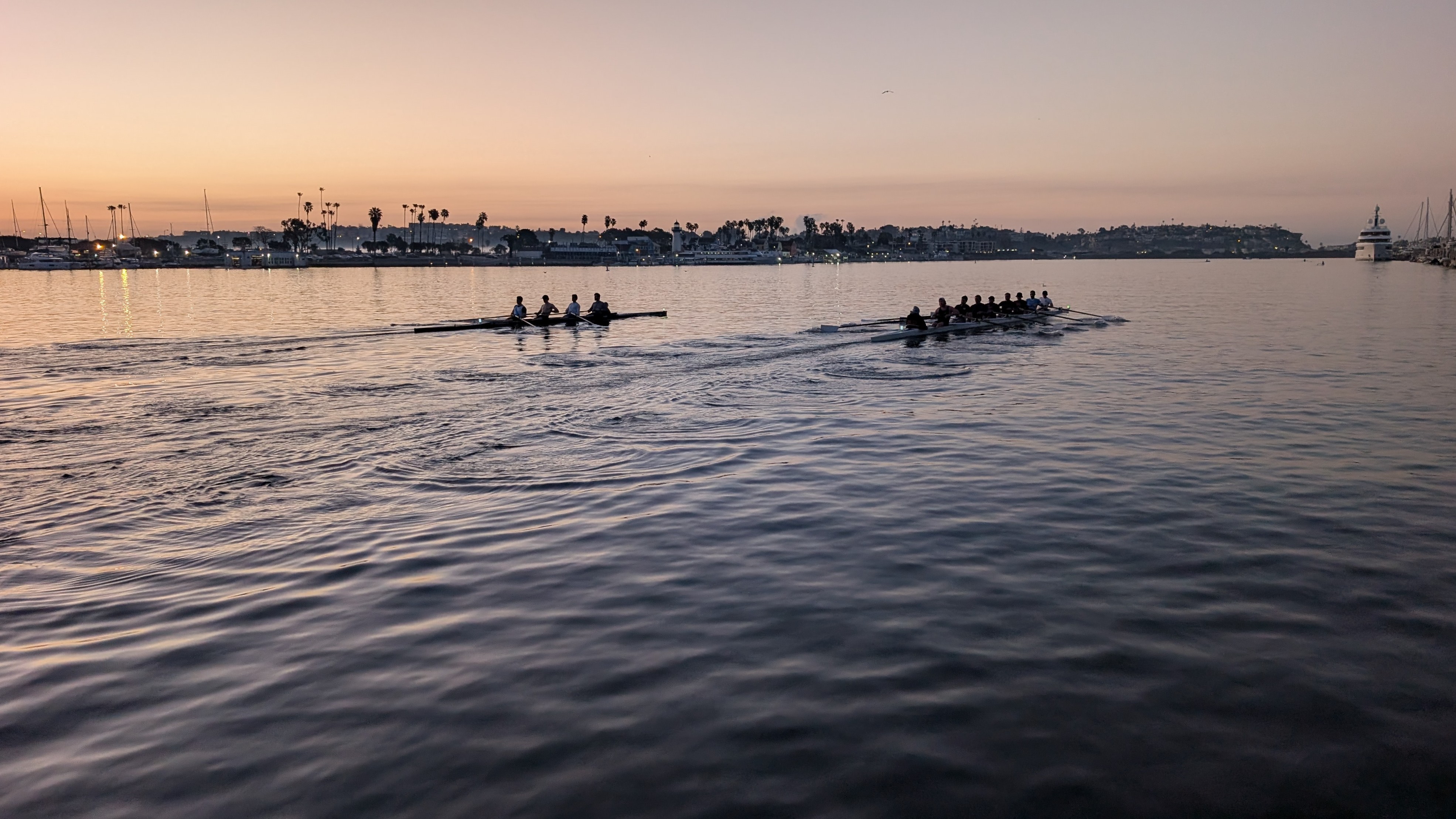
The club has since added multiple coaches and more structured training. It's not Division I. The boats are older, the budget is tighter, and nobody is getting a scholarship. But people show up before dawn anyway.
The Bigger Pattern
LMU's cuts weren't unique. Across the country, universities have been trimming non-revenue sports — rowing, swimming, track — in response to shifting NCAA economics. The athletes affected don't disappear. They transfer, they join clubs, or they stop competing altogether and carry the loss quietly.
LA Lions exists in part because the gap between "university cuts a program" and "athletes stop wanting to row" is enormous. The demand doesn't vanish when the institutional support does. Several of our coaches came through the LMU system. They know what it feels like to have a program pulled out from under you, and they know that the antidote isn't nostalgia — it's building something new.
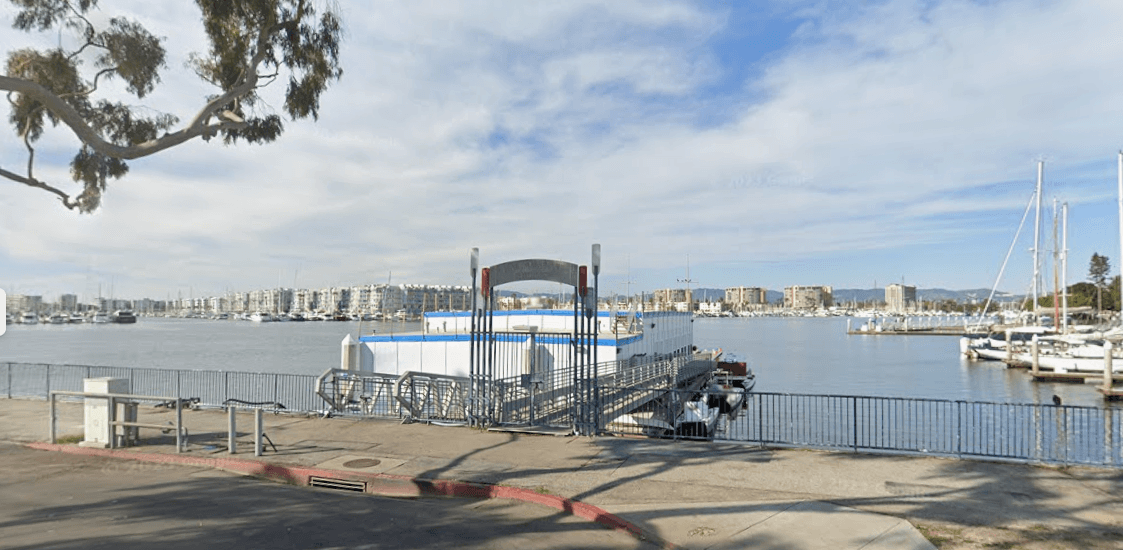
Marina del Rey has been a rowing venue since 1937. Institutions change. The water doesn't.
For the full story, read Riya Kalra's reporting in The Los Angeles Loyolan.
On January 23, 2024, Loyola Marymount University announced it would eliminate six varsity sports after the 2023–24 season. Men's and women's rowing. Men's cross country. Men's and women's track and field. Women's swimming. The administration cited the "quickly evolving NCAA landscape" and the need to "ensure continued equal opportunities and access." One hundred and eighteen student-athletes, five full-time coaches, and two part-time coaches learned their programs were finished.
For the rowers, the math was especially cruel. They had chosen LMU — a small, expensive private school in Westchester — in significant part because it had a rowing program. Now it didn't.
The Invisible Infrastructure
What most people don't appreciate about a varsity sport is how much invisible infrastructure it provides. Coaches recruit you, schedule your training, file your race entries, arrange your travel. Athletic trainers tape your hands and monitor your back. Academic support staff help you navigate a course load built around 5 AM practices. You don't think about any of this, the same way you don't think about plumbing until it stops working.
Quinn Heydenfeldt, a marketing major and former varsity rower, described the aftermath to The Los Angeles Loyolan: "My biggest challenge personally was my lifestyle." The structure that organized her days — the training blocks, the team meals, the accountability of knowing someone is counting on you to show up — vanished overnight. "I still miss rowing and the camaraderie," she said, "and it still angers me that it was taken away."
Rebuilding Without a Blueprint
But here's the part of the story that doesn't make the press release. Rowers, it turns out, are not great at quitting.
Students rebuilt the program as a club sport under Campus Recreation. They ran their own recruiting. They managed their own social media. They organized carpools to the boathouse — a logistical headache that varsity athletes never had to think about. Mary Johnstone, an economics major who joined as a novice, said she was drawn to "the closeness of a small team" and appreciated that "coaches and teammates are very understanding that we are students first."
The club has since added multiple coaches and more structured training. It's not Division I. The boats are older, the budget is tighter, and nobody is getting a scholarship. But people show up before dawn anyway.
The Bigger Pattern
LMU's cuts weren't unique. Across the country, universities have been trimming non-revenue sports — rowing, swimming, track — in response to shifting NCAA economics. The athletes affected don't disappear. They transfer, they join clubs, or they stop competing altogether and carry the loss quietly.
LA Lions exists in part because the gap between "university cuts a program" and "athletes stop wanting to row" is enormous. The demand doesn't vanish when the institutional support does. Several of our coaches came through the LMU system. They know what it feels like to have a program pulled out from under you, and they know that the antidote isn't nostalgia — it's building something new.
Marina del Rey has been a rowing venue since 1937. Institutions change. The water doesn't.
For the full story, read Riya Kalra's reporting in The Los Angeles Loyolan.
You may also be interested in
Discover the Training, Growth, and Journeys of Our Young Athletes

YOUR NEXT CHAPTER
THE BEST WATER IN LA.
REAL COACHING. REAL RESULTS.
BUILT FOR 2028.
YOUR NEXT CHAPTER
THE BEST WATER IN LA.
REAL COACHING. REAL RESULTS.
BUILT FOR 2028.
YOUR NEXT CHAPTER
THE BEST WATER IN LA.
REAL COACHING. REAL RESULTS.
BUILT FOR 2028.