Author:
Simon Hoadley
Date:
Apr 7, 2026
What Rowing Teaches You That Almost Nothing Else Can
There's a case study that gets taught at Harvard Business School about the 1998 Army crew team. The coach had an A boat and a B boat. The A boat was stacked with stronger, faster, more technically proficient rowers. By every individual metric, they should have won. The B boat kept beating them.
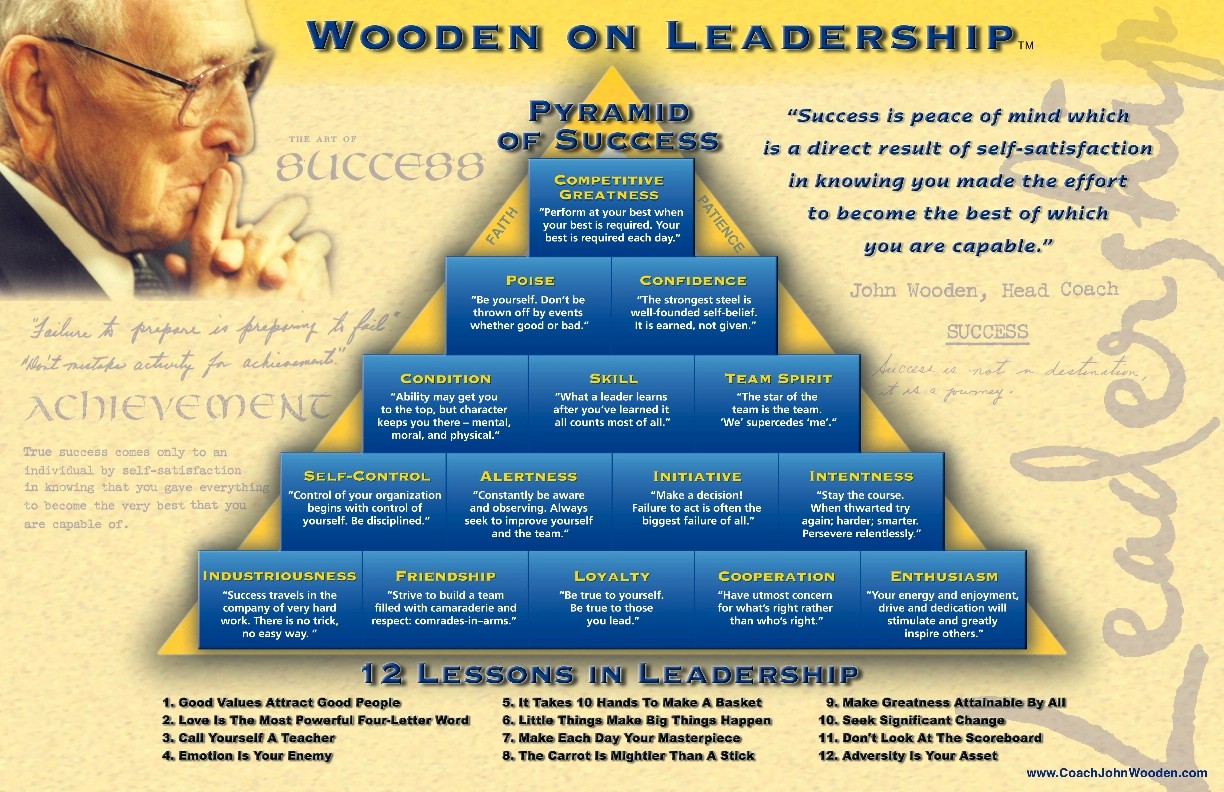
The lesson, which has since been analyzed in organizational behavior courses around the world, is that rowing exposes a truth about teamwork that most other domains let you ignore: synchronization multiplies effort, and discoordination destroys it. A crew of eight moderately talented rowers pulling in perfect unison will beat eight elite athletes rowing out of time. Every single time.
No other sport makes this principle so visible, so measurable, and so impossible to fake.
Trust You Can't Verify
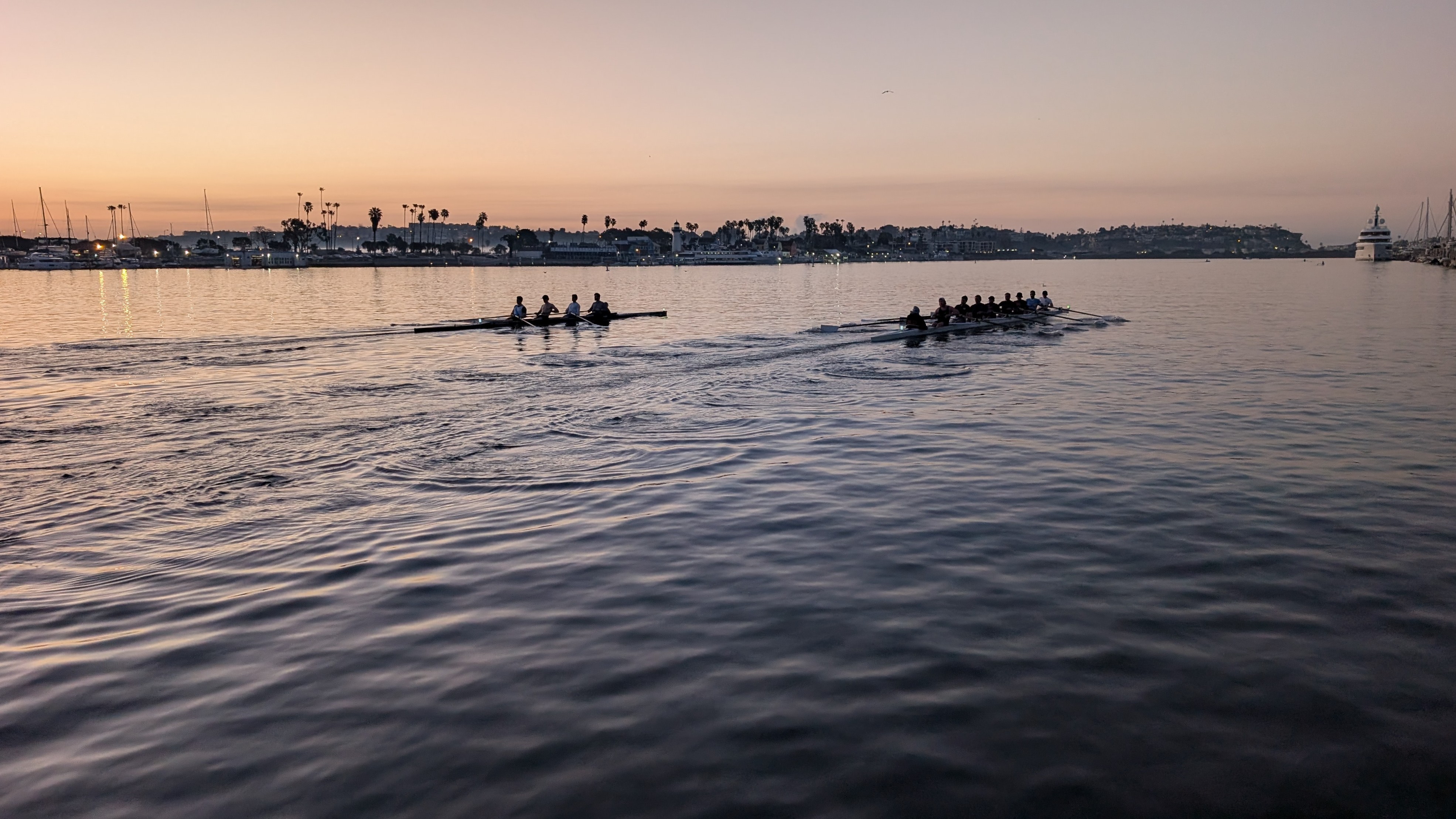
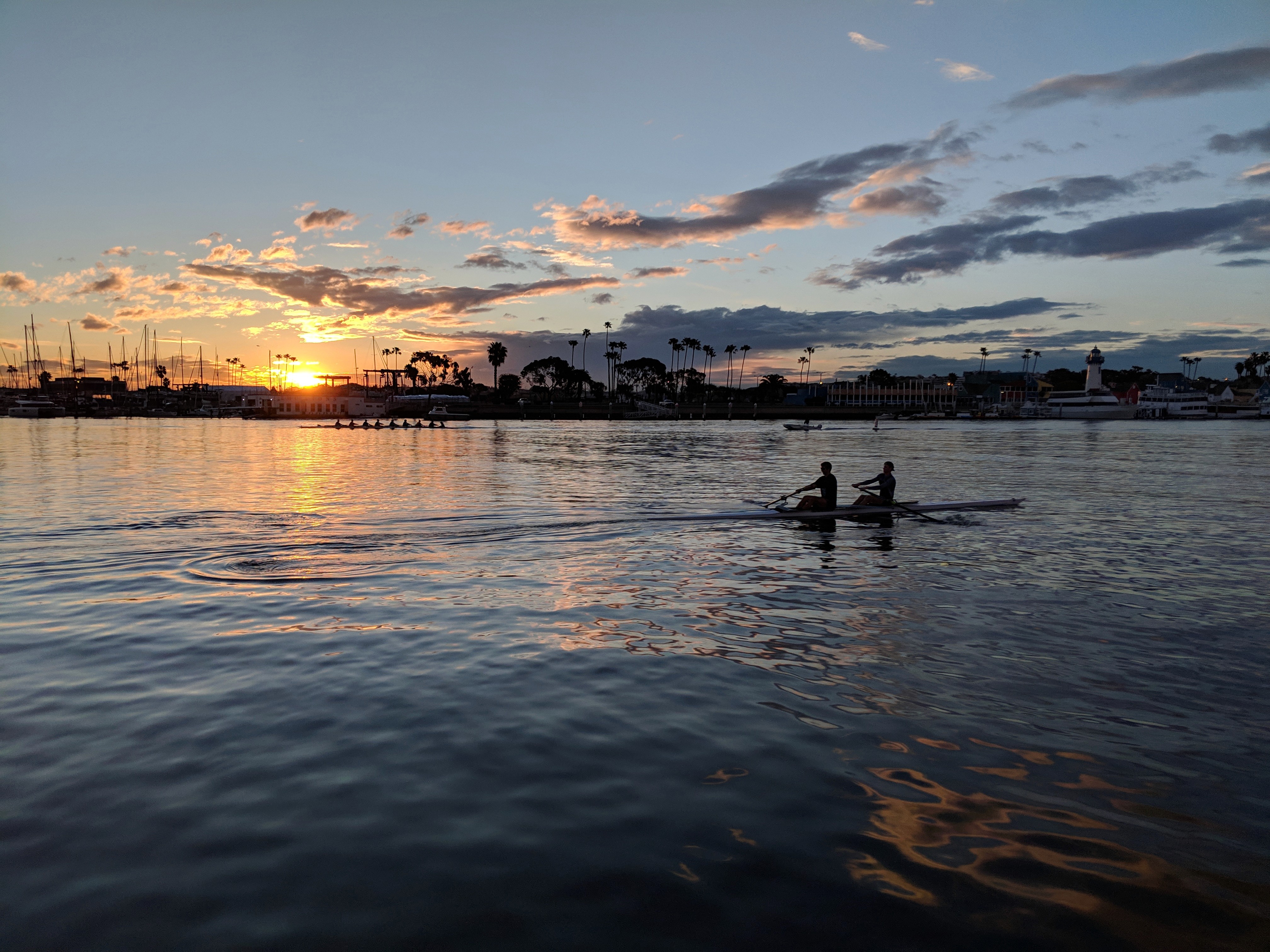
Here's something that surprises people who haven't been in a shell. In a rowing eight, you cannot see most of your teammates. You sit facing backward. The person in bow seat is fifteen meters behind you. You feel the boat — its set, its run, its acceleration — through your body. You adjust based on sensations, not sight.
This builds a specific kind of trust that's rare in modern life. Not the trust that comes from watching someone's work and approving it. The trust that comes from committing fully to a shared effort when you can't verify what everyone else is doing. You pull as hard as you can and believe — because you must — that seven other people are doing the same.
A 2024 study in PMC examining rowing's effects on medical students found that this dynamic effectively developed both teamwork and leadership skills. Not through theory or simulation. Through the daily experience of depending on people you can't see.
Pain as Information
Rowing a 2,000-meter race takes roughly six to seven minutes. That sounds short until you understand that it requires near-maximum output for the entire duration. Your heart rate spikes past 190. Lactic acid floods your legs by the 500-meter mark. Every stroke after the halfway point is a conscious decision to continue.
What rowers learn — and this is the transferable part — is that pain is information, not a command. You can register it without obeying it. You can acknowledge that your body wants to stop and choose to maintain output anyway. This is a trainable skill, not a personality trait, and it applies directly to any situation where you need to perform under discomfort: a difficult conversation, a high-stakes presentation, the last hours of a deadline.
Research from IMD Business School found that rowing "shapes resilient leaders" specifically because of this mechanism — the sport teaches people to maintain composure and output quality when everything in their body is screaming to ease off.
The 5 AM Factor
Rowing practice starts before 6 AM. Usually well before. You carry boats in the dark. You row in the cold. You do this not because any single session is transformative but because the compounding effect of consistent effort is where results come from.
This is the least glamorous and most important thing rowing teaches. Discipline isn't a feeling. It's a practice — showing up on the days you don't want to, doing the work that nobody sees, trusting that the accumulation of unremarkable mornings adds up to something remarkable.
Cambridge Rowing's research on high-performing teams found that the factors that predicted success in crews — communication, mutual respect, shared responsibility, and trust — were identical to the factors that predict success in high-performing organizations. The boat is a laboratory for collaboration, and the results are not theoretical.
Why Now
We live in an era that increasingly rewards short attention spans, solo performance, and rapid context-switching. Rowing teaches the opposite: sustained effort, deep trust, collective achievement, and the willingness to do monotonous work for months before you see the payoff.
At LA Lions, we watch this transformation happen in real time. A teenager who couldn't sit still in September holds a steady rhythm for forty minutes by December. A former college athlete who lost their program rediscovers the focus and purpose that made them choose the sport in the first place. A thirty-year-old who has never touched an oar discovers that they're capable of something they would have said was impossible six months ago.
That's what the sport teaches. Not just how to move a boat — how to show up, lock in, and pull together when it would be easier not to.